Serving Pomona, CA and surrounding areas. (626) 659-1648
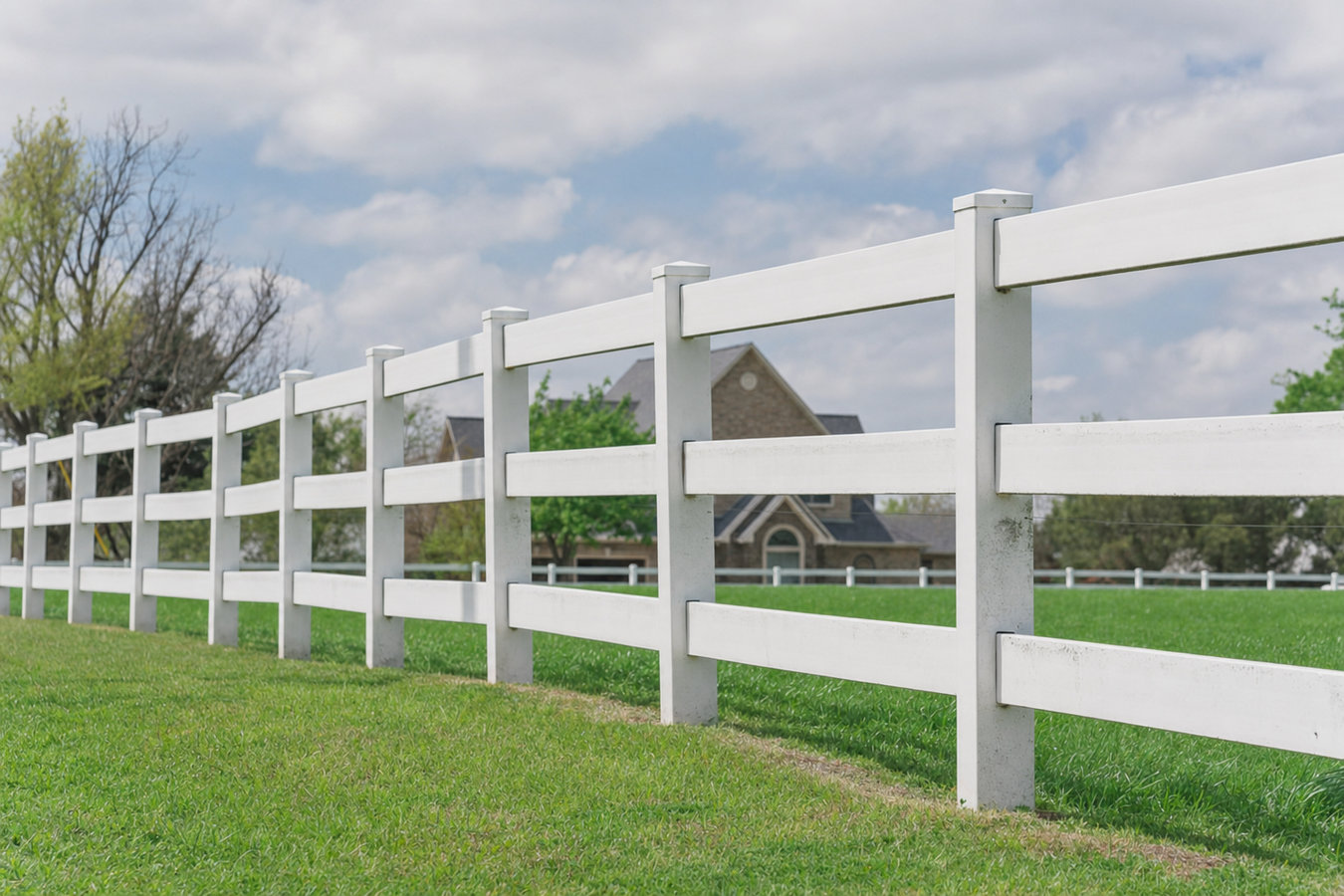
Livestock get out when fences fail. We build farm and ranch fencing on Pomona-area properties with posts set for clay soil, wire sized for your animals, and gates that hold up through years of daily use.
Farm and ranch fencing in Pomona, CA covers perimeter barriers, interior paddock dividers, garden protection, and property boundary lines on larger lots - most residential and small-acreage jobs are completed in one to three days, with larger properties or custom gate work taking longer depending on terrain and permit requirements.
This is not the same as standard residential privacy fencing. The materials, post depths, and wire gauges are chosen to handle the stress of animals pushing against the fence daily - not just to mark a boundary. A wood fence that works fine around a backyard patio is not the right fence for a horse paddock or a goat pen. The approach has to match what you are containing.
If you also need smaller-animal containment within a larger property, our pet and dog fencing service handles those needs alongside a full farm perimeter.
If you can push a fence post and feel it move, the footing has failed. In Pomona's clay-heavy soil, this often happens after a wet winter when the ground has swelled and then dried out repeatedly. A leaning post means the whole fence panel it supports is losing tension and will eventually fail - animals sense instability and test it.
A fence that was once taut but now has visible sag in the wire is losing its ability to contain animals. Sagging wire often means posts have shifted or the wire has stretched beyond its useful tension. In Pomona's dry, UV-intense climate, wire coatings can also degrade faster than expected, making the wire brittle at connection points.
Gaps at the base of a fence are an open invitation for small animals to get in or out. In Pomona, where coyotes are a documented presence in residential and semi-rural neighborhoods, a gap under the fence is a genuine safety risk for smaller livestock and pets. If you can see light under your fence panels, it is time to assess repair or replacement.
If you have recently purchased a larger lot in Pomona - particularly in the eastern agricultural zones near the Fairplex - and there is no clear perimeter fence, you may not have a reliable way to know where your property ends. Installing a proper fence along confirmed property lines protects you legally and prevents disputes with neighbors.
We install wood post-and-rail, woven wire, and high-tensile wire fencing - the three most practical choices for livestock containment, perimeter marking, and equestrian properties in this area. Wood post-and-rail is the right choice for horses: it is highly visible, which matters because horses can injure themselves running into wire they cannot see clearly. For smaller animals like goats, sheep, or chickens, woven wire with tighter spacing keeps animals from squeezing through or pushing gaps open. If you need budget-friendly coverage over a long perimeter with minimal maintenance, our chain link fence installation is another option worth considering for non-livestock boundary use.
Gates are where most of the budget decisions happen. A single walk-through gate is straightforward, but a wide drive-through gate for a truck or trailer needs heavier posts, precise alignment, and hardware that handles repeated daily use. We help you plan gate placement before any post goes in the ground, and we handle permits if your project triggers Pomona's fence height or property-line rules. If you also need enclosed runs for dogs or smaller pets on the same property, our pet and dog fencing service pairs naturally with a larger farm fence installation.
Best for horse paddocks and equestrian properties where fence visibility is a safety requirement - treated for Pomona's UV and dry heat conditions.
Best for goats, sheep, chickens, and small livestock where spacing needs to be tight enough to prevent squeezing or pushing through.
Best for long perimeter runs on larger lots where durability and low maintenance over 30 or more years is more important than aesthetics.
Best for any farm property that needs vehicle access, daily animal handling, or both - sized and hung to handle repeated daily use without sagging or dragging.
Pomona still has active agricultural and equestrian zoning in parts of the city, particularly in the eastern areas near the Fairplex and the neighborhoods bordering San Dimas and La Verne. Properties in these zones often have more flexibility on fence height and type than standard residential lots, but they still require permits for certain configurations - and a contractor who does not know Pomona's zoning rules will give you an estimate that does not reflect what you are actually allowed to build. Pomona's clay-heavy soils also add a real installation challenge. The seasonal swelling and shrinking that affects residential fence posts is even more of a factor on farm properties where posts face the additional stress of animals leaning, pushing, and rubbing against the fence line year-round.
Coyote pressure is also a genuine concern in this region, not just a suburban myth. On properties with chickens, goats, or other smaller livestock, gaps at the base and sagging wire are real vulnerabilities - not cosmetic problems. We serve property owners throughout the area, including Chino and La Verne, two neighboring cities where agricultural and equestrian lots are common and the same soil conditions and wildlife pressures apply.
We reply within one business day. We will ask roughly how much fencing you need, what you are containing, and whether you have had any permit conversations with the city. You do not need to have all the answers - just a general sense of what you are hoping to accomplish.
We walk your property with you, look at the terrain, check for obstacles, and talk through material options and gate placement. We will also confirm what the permit process looks like for your specific project in Pomona. No estimate without a site visit - a phone number is not a real quote.
If your project requires a permit, we handle the application and the wait time - which can add one to three weeks before installation begins. We also ask about your property lines before any post goes in the ground, because installing on the wrong side of a line is an expensive mistake to fix.
Most small-acreage jobs are completed in one to three days. When we finish, we walk the entire fence line with you - every post should feel solid, every gate should swing and latch correctly, and wire should be evenly tensioned. This is the time to point out anything that does not look right, not after we have left.
We walk your land, answer your questions, and give you a real written number - no phone guesses, no pressure.
(626) 659-1648Expansive clay soil is one of the main reasons farm fence posts in this area start leaning within a season or two of installation. We set every post deeper than the bare minimum and use a footing approach sized for the seasonal ground movement that is common throughout the Pomona Valley. That choice is visible five years from now when your fence is still straight.
Pomona has agricultural and equestrian zoning in parts of the city, and permit requirements that apply to more farm fence projects than most contractors expect. We know what triggers a permit in this city, we pull it for you, and we make sure the work passes inspection. A fence built without a required permit can mean fines or forced removal.
One of the most expensive fencing mistakes in Pomona's agricultural zones is installing on the wrong side of a property line. We walk your boundary with you before we start, ask the right questions about your survey, and flag any uncertainty before it becomes a costly problem. Your fence goes where it is supposed to go.
Coyotes are a documented and growing presence in Pomona's residential and semi-rural neighborhoods. For properties with chickens, goats, or smaller livestock, we design fence lines that close off ground-level gaps, stay taut over time, and - where needed - include top features that make climbing much harder. The UC Cooperative Extension provides guidance on wildlife-resistant fencing that informs our approach.
Knowing the soil, knowing the permit process, and knowing where the property lines are before we start - these are the details that determine whether a farm fence holds up for 20 years or needs repairs after the first season. We get them right on every job.
California's shared boundary fence law is detailed in California Civil Code Section 841. California defensible space rules that can affect fence placement near structures are summarized by CAL FIRE.
Enclosed runs and yard barriers sized for dogs and smaller animals, designed to prevent digging and climbing.
Learn MoreHigh-strength chain link for perimeter boundaries and utility areas where long-term durability matters more than appearance.
Learn MoreSpring is prime fencing season in the Pomona Valley - book your on-site estimate now before the schedule fills up and your project gets pushed into summer heat.